How to Start the College Football Recruiting Process: A Beginner's Guide

Conor Poutier
College Football Recruiting Analyst
May 9, 2026
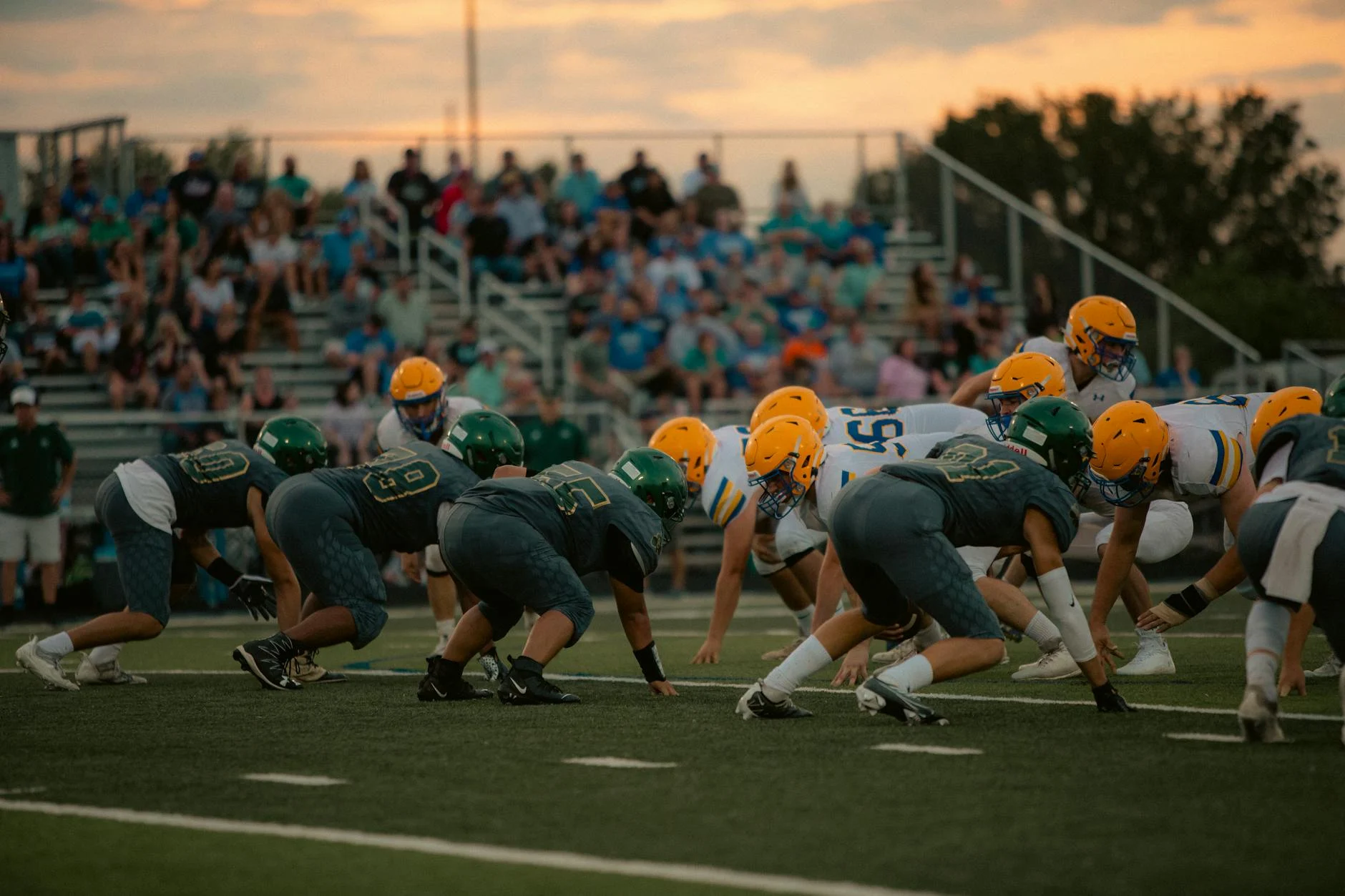
Starting the college football recruiting process can feel overwhelming, especially when everyone seems to speak a different language full of "PWOs," "NLIs," and dead periods. With summer break around the corner, now's actually the perfect time to get your bearings and lay the groundwork.
When Should You Actually Start?
Here's the reality: the recruiting landscape has shifted dramatically. While coaches can't officially contact you until June 15th before your junior year, the best recruits are already on their radar much earlier. According to recruiting coordinators, top prospects typically surface during their sophomore season — sometimes even as freshmen.
Pro Tip: Starting early doesn't mean panicking. It means being prepared when opportunities arise.
"The athletes who succeed in recruiting are the ones who treat it like a part-time job — consistent, organized, and professional." — D1 recruiting coordinator
Many families wait until junior year to start thinking about college recruiting, but that puts them behind the curve. Research from recruiting analysts shows that 60% of D1 scholarships are committed to players before their senior season even begins.
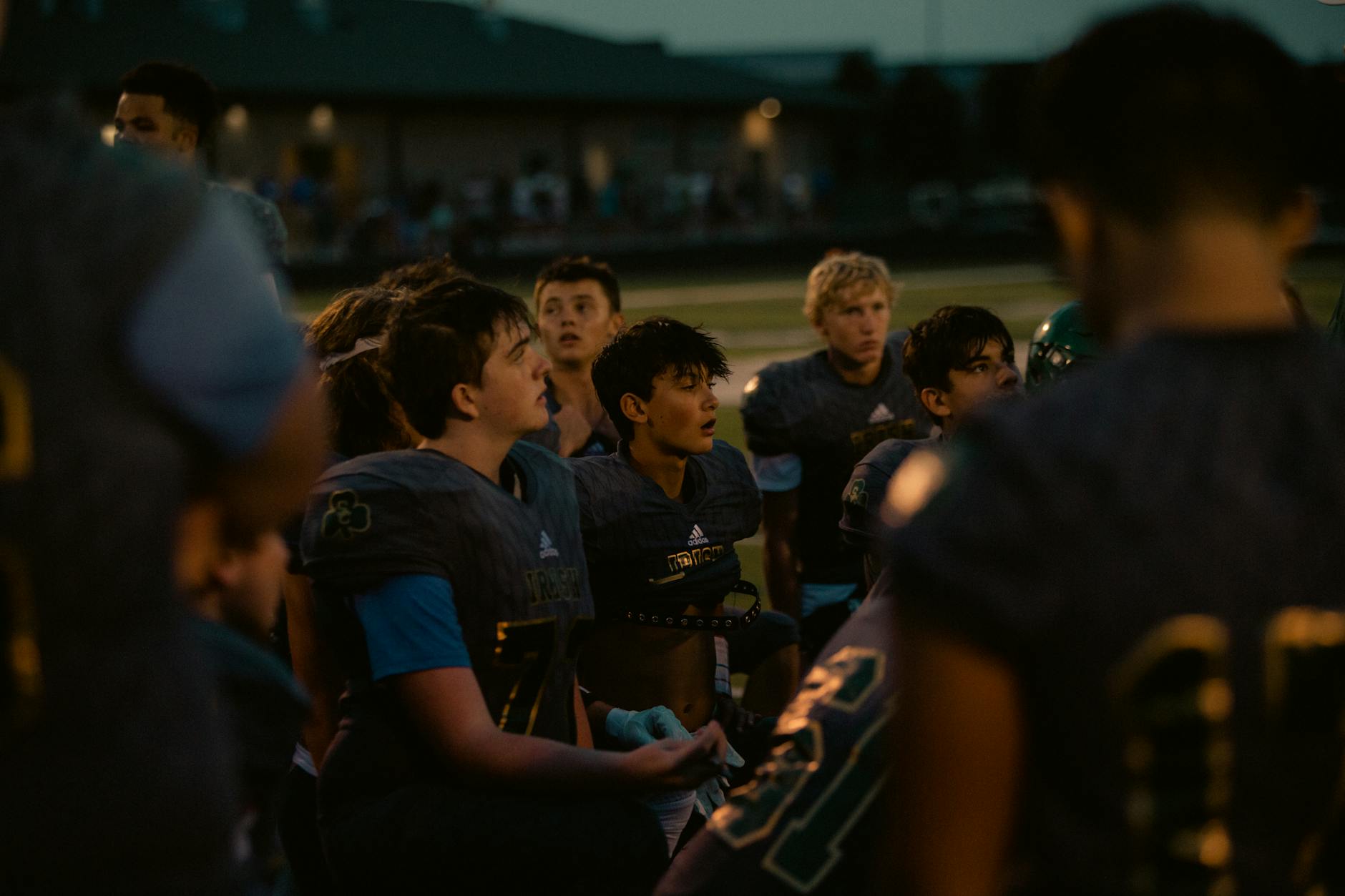
Photo by Yura Forrat on Pexels
What Coaches Actually Look For
College coaches evaluate recruits through four main lenses, and it's not just about how fast you run the 40:
Athletic ability — Can you perform at the next level?
Character and coachability — Will you fit our culture?
Academic readiness — Can you handle college coursework?
Positional need — Do we need your position for this recruiting class?
Notice that raw talent is just one piece. Many elite high school players struggle with the transition because they haven't developed the other three areas. Coaches want players who show up to practice early, ask questions, and maintain their grades even during a tough season.
Your First Steps This Summer
With school winding down and summer camps approaching, here's your practical roadmap:
1. Get Your Academic House in Order
Check your GPA and make sure you're on track for NCAA eligibility. The minimum requirements vary by division, but aiming higher gives you more options. If you're struggling academically, summer school or tutoring now prevents bigger problems later.
2. Create Your Athletic Profile
You need a centralized place to store your stats, measurables, and academic info. Your recruiting profile becomes the foundation for everything else — from camp registrations to coach communications.
3. Start Building Your Film Library
Gather game film from last season and any recent training footage. Quality matters more than quantity — three great plays are better than ten mediocre ones. Focus on clips that show your technique and football IQ, not just big hits or long runs.

Photo by Tim Mossholder on Pexels
4. Research Your Target Schools
Make a list of 20-30 schools that fit your academic and athletic profile. Look beyond the big names — plenty of excellent programs at the D2, D3, and NAIA levels offer great opportunities. Consider factors like academic programs, location, and team culture.
5. Plan Your Summer Camp Strategy
Summer camps are crucial for getting noticed, but they're expensive. Choose 2-3 camps strategically — ideally at schools you're genuinely interested in attending. Showing up at a camp demonstrates real interest to coaching staffs.
Making Contact the Right Way
Once you've done your homework, it's time to introduce yourself to coaches. This is where many families get stuck — what do you say? How formal should you be?
The key is personalization. Generic emails that could apply to any school get deleted immediately. Coaches want to see that you've researched their program and understand what they're building.
When you're ready to reach out, tools like the AI Email Writer can help you craft personalized messages that highlight your fit with each specific program. The same goes for social media outreach — a well-crafted DM can open doors, while a generic message gets ignored.
"I can tell within the first sentence whether a recruit has done their homework about our program or if they're just blasting the same email to everyone." — D3 head coach

Photo by Yan Krukau on Pexels
Key Takeaways
Start early, but don't panic — Sophomore year is ideal, but it's never too late to begin
Focus on all four evaluation areas — athletics, academics, character, and positional fit
Use summer wisely — organize your materials, research schools, and plan camp visits
Personalize every interaction — generic outreach doesn't work in today's recruiting environment
The recruiting process might seem intimidating, but remember that thousands of players successfully navigate it every year. Start with these fundamentals, stay organized, and don't be afraid to ask questions. College coaches want to find players who fit their programs just as much as you want to find the right school.
With summer break ahead, you have the perfect opportunity to get organized and set yourself up for success. Take it one step at a time, and before you know it, you'll be fielding calls from college coaches.
Photo by Yura Forrat on Pexels