How to Start College Football Recruiting: A Beginner's Guide

Conor Poutier
CFB Recruiting Analyst
Apr 29, 2026
When Should You Actually Start?
Here's the reality check most families need: the recruiting process should begin by sophomore year, and ideally earlier for skill positions. According to recruiting coordinators across Division levels, about 60% of scholarship offers are extended to juniors who've been on coaches' radars since their sophomore season.
This doesn't mean your freshman needs to be sending emails to Nick Saban. But it does mean you should start building the foundation early:
Freshman year: Focus on grades, strength training, and learning your position
Sophomore year: Bhelloegin creating your recruiting profile and identifying target schools
Junior year: Active outreach, camp attendance, and highlight reel creation
Senior year: Official visits, commitment decisions, and National Letter of Intent signing

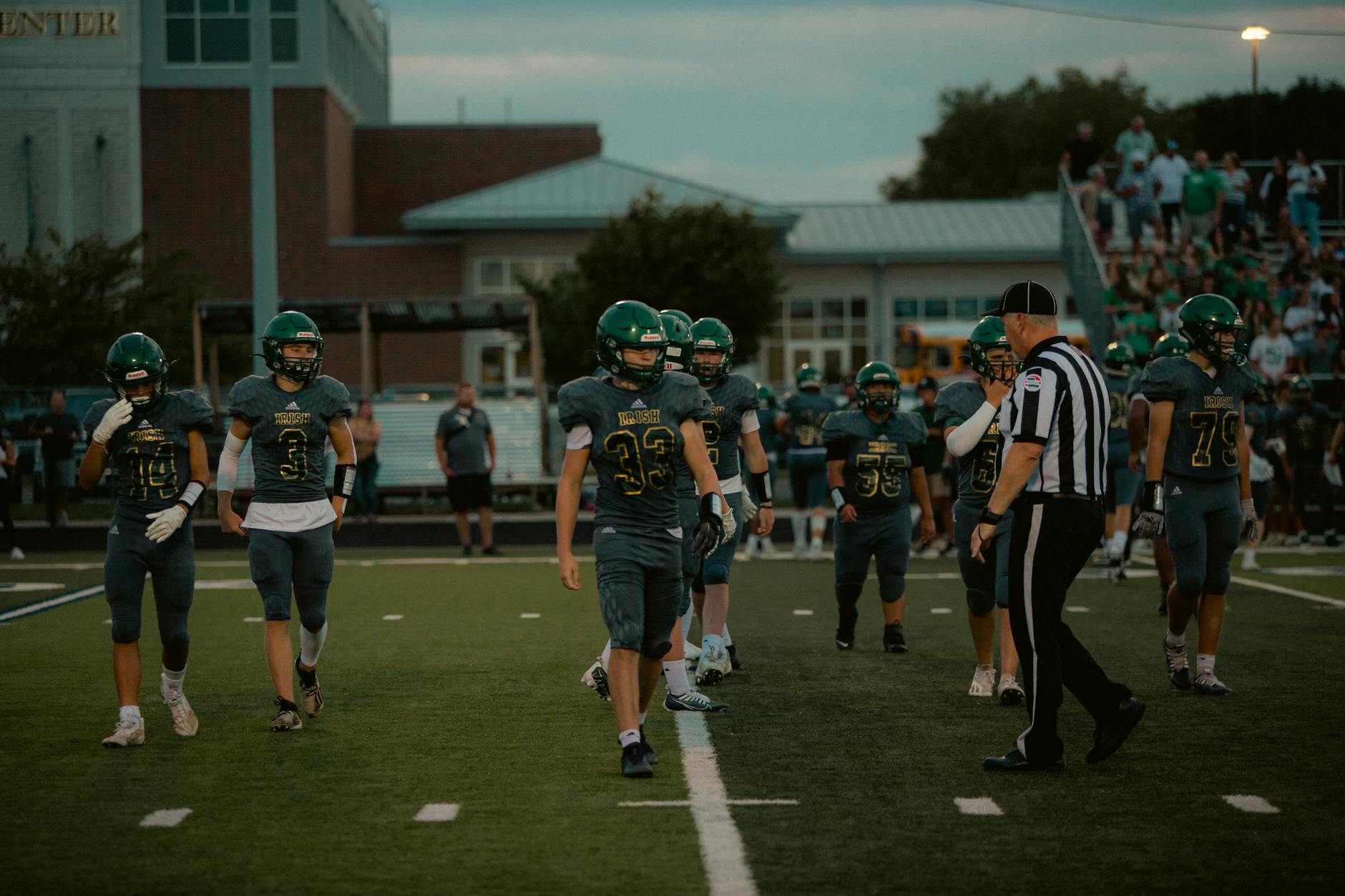
Photo by Jason Morrison on Pexels
"The families who start early aren't just throwing stuff at the wall — they're being strategic about building relationships before the recruiting frenzy hits." — D2 recruiting coordinator
What College Coaches Actually Look For
Forget what you see in the movies. College coaches aren't just hunting for the biggest, fastest, strongest players (though those things help). Here's what really catches their attention:
Academic Performance Comes First
Before a coach even watches your film, they're looking at your GPA and test scores. Division I programs typically want:
Minimum 2.3 GPA for NCAA eligibility
Most competitive programs expect 3.0+ for realistic scholarship consideration
SAT/ACT scores that meet both NCAA and school-specific requirements
Many recruiting experts emphasize that academics can be your biggest differentiator, especially at smaller schools where coaches have limited scholarship dollars to work with.
Position-Specific Skills and Football IQ
Coaches want players who understand the game beyond just their individual role. They're evaluating:
Technique fundamentals — can you consistently execute your position's core skills?
Game awareness — do you make smart decisions under pressure?
Coachability — how quickly do you adapt when given instruction?
Character and Work Ethic
College coaches are investing in young men they'll work with for 4-5 years. They pay attention to:
How you interact with teammates and coaches
Your social media presence (yes, they're definitely checking)
Feedback from your high school coaches about your work ethic and attitude
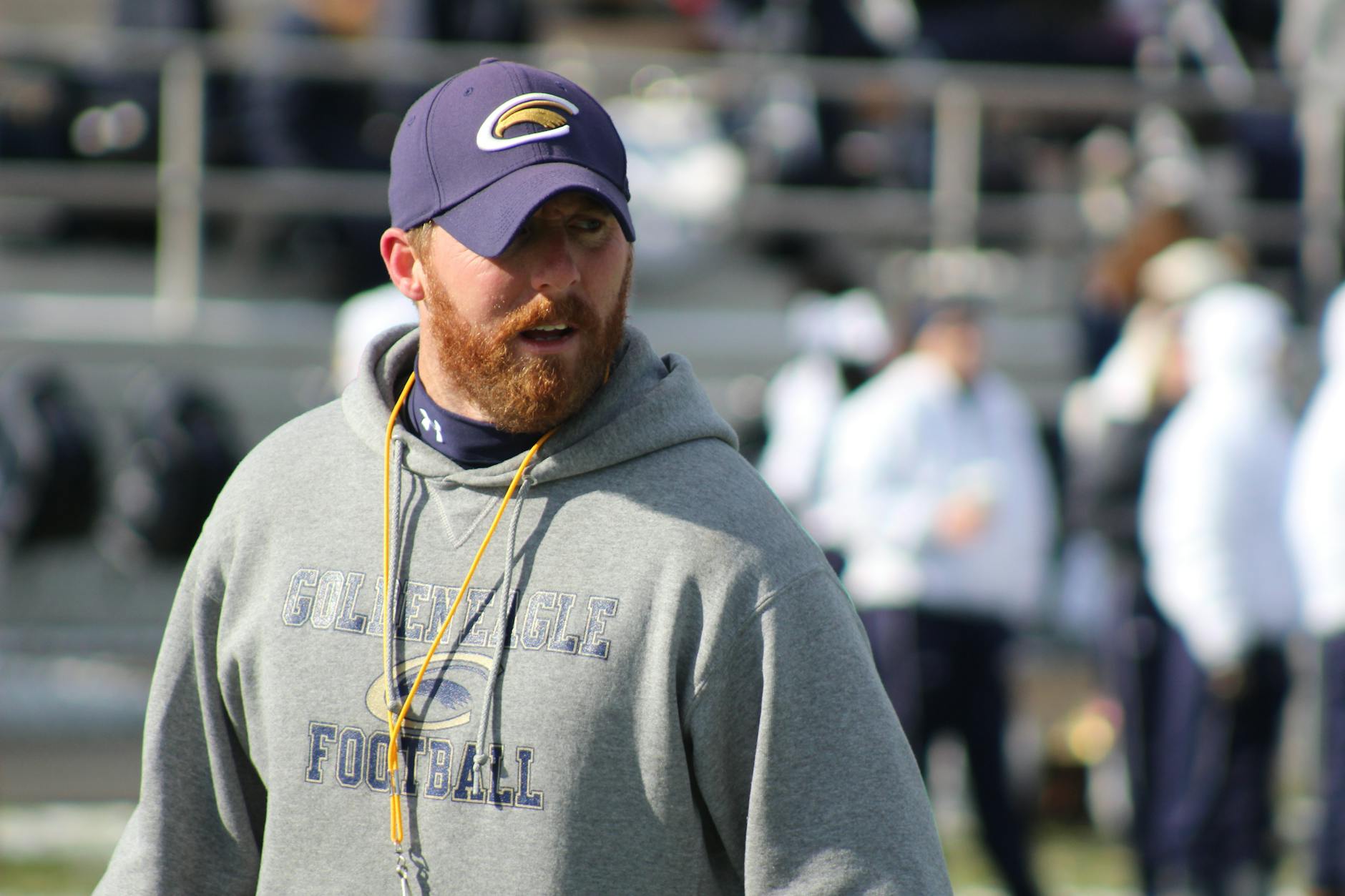
Photo by football wife on Pexels
Your First Steps: Building the Foundation
Ready to actually start? Here's your step-by-step action plan:
Step 1: Get Your Academic House in Order
This isn't glamorous, but it's non-negotiable. Meet with your school counselor to:
Map out your four-year course schedule to meet NCAA core course requirements
Identify any academic weak spots that need attention
Plan when you'll take the SAT or ACT (aim for spring of junior year)
Step 2: Create Your Recruiting Profile
You need a centralized place to store all your athletic information, academic stats, and recruiting goals. Your Recruiting Profile becomes your home base for managing the entire process — from tracking which coaches you've contacted to organizing your target school list.
Include these essentials:
Athletic stats and measurables (height, weight, 40-yard dash, bench press, etc.)
Academic information (GPA, test scores, class rank)
Contact information for your high school coach
Season highlights and statistics
Step 3: Start Researching Schools
Don't just focus on the big-name programs you see on TV. Cast a wide net:
Division I FBS: 85 full scholarships; highest level, most competitive.
Division I FCS: 63 scholarships (can be split); still elite competition, more opportunities.
Division II: 36 scholarships (can be split); good balance of athletics and academics.
Division III: No athletic scholarships; merit-based aid, excellent education.
NAIA: 24 scholarships (can be split); smaller schools, often overlooked gem programs.
Research schools based on:
Academic fit — does the school offer your intended major?
Geographic preferences — how far from home are you willing to go?
Program culture — does their playing style match your skills?
Step 4: Begin Coach Outreach
This is where many families freeze up, but it's actually straightforward once you have your profile information organized. Start with a simple introduction email that includes:
Brief personal introduction and academic info
Your athletic achievements and statistics
Why you're interested in their specific program
Link to your highlight film (we'll cover this next)
Once your recruiting profile is set up, tools like the AI Email Writer can help you craft personalized messages for each school rather than sending generic form letters that coaches immediately delete.
Pro Tip: Quality over quantity. Send 5-10 well-researched, personalized emails rather than 50 generic ones.
Step 5: Create Your Highlight Film
Your highlight reel is your calling card. Keep it:
Short and sweet — 3-5 minutes maximum
High quality — clear video with good sound
Position-focused — showcase skills relevant to your position
Recent — footage from your most recent season
Many recruiting analysts suggest starting each highlight with your best 2-3 plays to immediately grab attention, since coaches often make quick judgments in the first 30 seconds.

Photo by Cemrecan Yurtman on Pexels
Common Mistakes to Avoid Early
Since you're just starting out, learn from these frequent missteps:
Waiting too long to start: By the time you're a senior, most scholarship opportunities are already filled.
Only targeting big-name schools: D2, D3, and NAIA programs offer incredible opportunities and shouldn't be overlooked.
Neglecting academics: A 4.0 GPA opens more doors than a 4.4 forty-yard dash.
Being a helicopter parent: Let your athlete lead the communication with coaches while you handle logistics.
Focusing only on measurables: Coaches want players who can actually play football, not just run fast in shorts.
Building Relationships Takes Time
Remember, recruiting is ultimately about relationships. College coaches are looking for young men they want to coach and develop over multiple years. That relationship-building process doesn't happen overnight.
Stay consistent with your outreach, keep working on your craft, and trust the process. Some of the best recruiting stories come from athletes who started early, stayed persistent, and found the perfect program fit — not necessarily the most famous one.
Key Takeaways
Start by sophomore year: Begin building your foundation early rather than scrambling as a senior.
Academics matter most: Maintain a strong GPA and plan your core courses strategically.
Cast a wide net: Research schools across all division levels, not just the programs you see on TV.
Quality outreach beats quantity: Send fewer, more personalized emails rather than mass generic messages.
Organize everything centrally: Use a recruiting profile to track your information, target schools, and coach communications.
The recruiting process might feel overwhelming at first, but breaking it down into manageable steps makes it much more approachable. Focus on controlling what you can control — your grades, your effort, and your preparation — and the opportunities will follow.
Photo by Yura Forrat on Pexels